
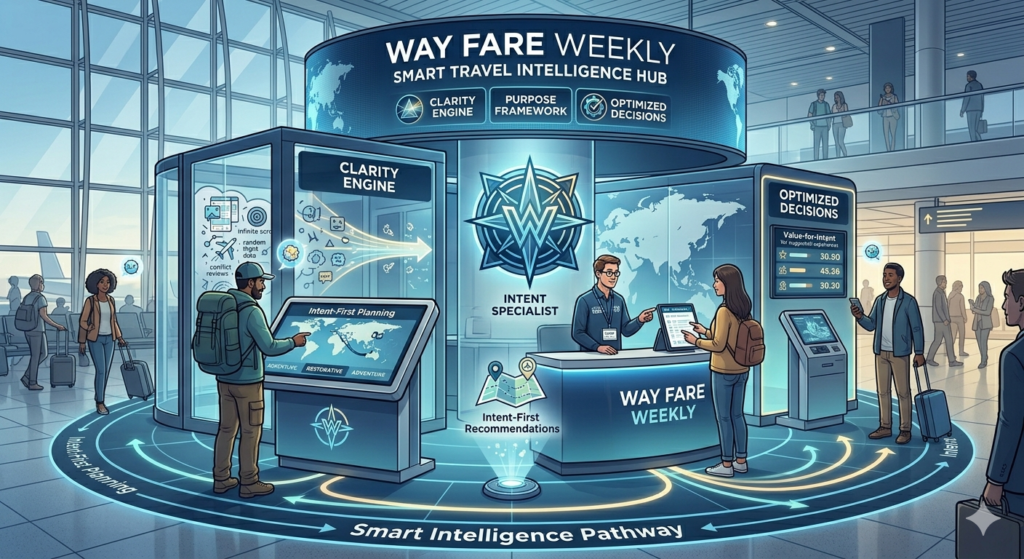
Travel in 2026 has entered a completely new era where travelers are no longer satisfied with traditional vacations built around crowded attractions and rigid schedules. Modern explorers want flexibility, deeper cultural experiences, stronger safety planning, better budgeting strategies, and more meaningful journeys. Instead of simply checking destinations off a list, travelers are now seeking experiences that feel personal, authentic, and unforgettable. Way Fare Weekly continues to help travelers understand these evolving tourism trends by providing expert guidance on how to travel smarter in a rapidly changing world.
Why Travel Behavior Has Changed Across the World
Global travel behavior has changed dramatically over the last decade. Traditional tourism once focused heavily on major cities, famous landmarks, and short vacation packages. Travelers often rushed through several destinations in one trip without fully experiencing any of them. That model is becoming less attractive.
Modern travelers are now far more intentional. They spend weeks researching destinations before making decisions. They analyze weather patterns, safety conditions, cultural customs, transportation systems, and accommodation costs. Way Fare Weekly has noticed that travelers today prioritize preparation because travel mistakes have become more expensive.
Economic pressure is one of the biggest reasons behind this transformation. Airfare prices continue fluctuating due to fuel costs and global demand. Hotel prices have increased in many major destinations. Food and transportation expenses are also rising. Because of these challenges, travelers are becoming more strategic with spending.
Another major shift comes from changing work lifestyles. Remote jobs have allowed millions of people to travel for longer periods while continuing their careers. This has created an entirely new category of long-term travelers who prioritize affordable destinations with strong internet infrastructure.
Social media has also transformed tourism. Years ago, travelers often visited destinations promoted by traditional advertising campaigns. Today, independent creators and travel bloggers introduce audiences to hidden destinations, local experiences, and cultural adventures that feel more authentic.
Environmental awareness is another important factor. Travelers increasingly recognize the damage caused by overtourism and are looking for ways to travel responsibly.
The Rise of Slow Travel and Longer Stays
One of the biggest trends reshaping tourism in 2026 is slow travel. Travelers are no longer obsessed with visiting as many countries as possible in a short period. Instead, they prefer spending more time in fewer places.
Slow travel allows travelers to fully understand destinations rather than simply observing them. Spending several weeks in one city creates opportunities to explore neighborhoods, meet locals, and discover places that most tourists never see. Way Fare Weekly frequently recommends slow travel because it leads to deeper experiences and lower stress levels.
Cultural Benefits of Slow Travel
Travelers who remain in one destination longer often develop stronger cultural understanding. They attend local festivals, visit traditional markets, and learn regional customs.
Instead of relying on tourist restaurants, they discover family-owned cafes and neighborhood dining spots. These experiences often become the most memorable parts of a journey.
Financial Advantages of Long-Term Travel
Long-term accommodations usually offer discounts that short-term tourists cannot access.
Transportation expenses decrease significantly because travelers are not constantly moving between cities.
Slow travelers often avoid expensive rushed bookings and unexpected logistical problems.
Hidden Destinations Are Replacing Traditional Tourist Hotspots
Overtourism continues creating major problems in many famous destinations. Popular cities often struggle with overcrowded streets, inflated hotel prices, and declining local authenticity.
As a result, travelers are actively searching for alternative destinations that provide better experiences.
Southeast Asia Beyond Traditional Tourism
Many travelers are now exploring smaller islands, mountain villages, and coastal towns instead of only visiting major cities.
These destinations often offer beautiful landscapes, cultural depth, and affordability. Way Fare Weekly regularly highlights these emerging destinations because they provide strong value.
Eastern Europe’s Growing Popularity
Eastern Europe continues attracting global travelers because it offers rich historical experiences at lower costs than Western Europe.
Travelers can enjoy architecture, cultural festivals, and local cuisine without overspending.
South America’s Adventure Boom
South America remains one of the most attractive regions for travelers interested in hiking, nature tourism, and wildlife experiences.
Its geographical diversity creates endless exploration opportunities.
Africa’s Tourism Expansion
African tourism continues growing through eco-tourism, wildlife experiences, and cultural exploration.
Travelers increasingly seek destinations that prioritize conservation and sustainability.
Budget Travel Strategies That Actually Work

Travel costs continue rising, making strategic budgeting essential.
Flexible flight dates remain one of the most effective ways to save money. Midweek departures and off-season travel often provide lower fares.
Way Fare Weekly encourages travelers to track flight prices before booking.
Accommodation choices are evolving rapidly. Travelers are moving away from expensive hotel chains and choosing boutique hotels, guesthouses, and vacation rentals.
Transportation Planning
Public transportation systems continue improving globally.
Train passes and regional transport systems help travelers save money.
Shared transportation services provide additional savings. Way Fare Weekly
Food Budget Management
Tourist restaurants often charge premium prices.
Local dining spots frequently provide better food at lower costs.
Food exploration can become both a financial strategy and a cultural experience.
Emergency Travel Funds
Unexpected travel disruptions remain common.
Emergency funds help travelers manage cancellations, medical situations, and transportation issues.
Technology Is Transforming the Travel Industry
Technology now impacts nearly every stage of travel planning.
Artificial intelligence helps travelers create customized itineraries.
Travel apps offer booking support and flight alerts.
Translation apps eliminate language barriers. Way Fare Weekly
Digital airport systems improve efficiency.
Remote Work Travel
Remote workers are increasingly combining careers with travel.
Destinations with affordable housing and reliable internet continue growing in popularity.
Way Fare Weekly expects this trend to expand significantly.
Cybersecurity Concerns
Public Wi-Fi remains risky.
Travelers should protect financial and personal data while traveling.
Sustainable Tourism Is Becoming a Global Priority
Sustainability has become one of tourism’s most important issues.
Travelers are increasingly choosing eco-friendly accommodations.
Airlines are investing in cleaner technologies. Way Fare Weekly
Local business support is becoming more important.
Ethical Wildlife Tourism
Travelers are avoiding attractions that exploit animals.
Conservation-based tourism is growing rapidly.
Reducing Travel Waste
Reusable products help reduce environmental damage.
Way Fare Weekly strongly promotes responsible tourism practices.
Luxury Travel Is Changing
Luxury travel no longer focuses only on expensive hotels.
Travelers now want privacy, wellness experiences, and personalized adventures.
Wellness Tourism Growth
Mental wellness retreats are expanding globally.
Spa tourism remains highly popular. Way Fare Weekly
Luxury travelers increasingly prioritize emotional health.
Travel Safety in 2026
Safety remains essential for modern travelers.
Travel insurance is becoming more advanced.
Travelers must research destination laws and customs.
Digital document backups improve safety.
Medical Preparedness
Travelers should understand local healthcare systems.
Medical planning remains extremely important.
The Growth of Travel Entrepreneurship
Travel blogging, remote consulting, tourism startups, and travel content creation continue creating new career opportunities.
Many travelers are turning passion into profession.
Way Fare Weekly sees major long-term growth in this sector.
Future Travel Innovations
Artificial intelligence personalization will continue improving.
Sustainable regulations may become stricter.
Long-term travel lifestyles will grow.
Hidden destinations will attract more travelers.
Space tourism may slowly develop.
Final Thoughts
Travel in 2026 is more personalized, strategic, and meaningful than ever before. Travelers now seek stronger cultural connections, smarter financial planning, and more responsible tourism practices.
From slow travel and sustainability to technology and entrepreneurship, the tourism industry continues evolving rapidly.
Way Fare Weekly remains committed to helping travelers adapt to these changes while creating unforgettable global adventures built on smarter decisions and meaningful experiences.