
Travel in 2026 is evolving at a remarkable pace, and modern travelers are making decisions differently than ever before. Instead of following outdated tourism habits, people are prioritizing efficiency, meaningful experiences, and smarter financial planning. Way Fare Weekly continues to help travelers understand these changes by offering practical insights that improve every journey. Whether someone is planning a luxury vacation, a budget-friendly getaway.
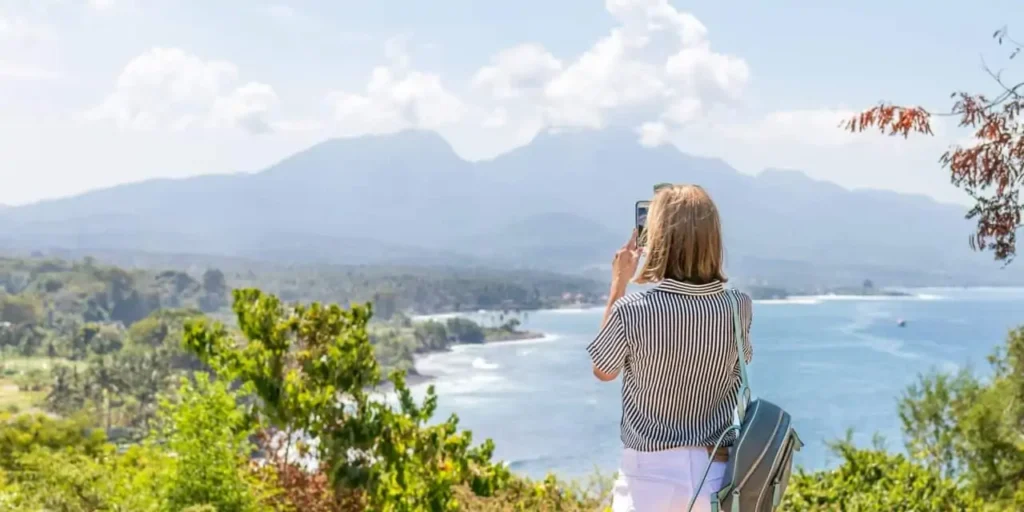
The Shift From Traditional Tourism to Experience-Based Travel
For many years, travelers followed a predictable formula when planning vacations. They booked flights to famous destinations, visited major landmarks, stayed in crowded tourist districts, and returned home with similar experiences shared by millions of others. That model is rapidly changing because modern travelers are seeking deeper personal connections with the places they visit.
Experience-based travel has become one of the most significant tourism shifts in recent years. Travelers now prefer cooking classes in local villages, cultural workshops, guided historical walks, and community-based tourism experiences over rushed sightseeing schedules. People want stories they can tell rather than generic photographs from overcrowded attractions.
Way Fare Weekly has observed that travelers are becoming more selective about where they spend their time. Instead of visiting five countries in two weeks, many travelers now choose fewer destinations and spend more time exploring each location properly. This slower approach allows visitors to understand local culture, cuisine, and traditions in more meaningful ways.
The growth of social media has also played an important role in this shift. While social platforms once pushed travelers toward famous tourist hotspots, many people are now discovering lesser-known destinations through travel creators who highlight authentic experiences rather than overhyped attractions. This has encouraged a broader range of travel choices.
Why Hidden Destinations Are Becoming More Popular
Overtourism continues to create problems in many globally recognized destinations. Cities that were once dream vacations have become increasingly crowded, expensive, and less enjoyable due to overwhelming visitor numbers. This has encouraged travelers to search for alternatives.
Smaller towns, emerging cities, and rural destinations are now attracting visitors who want unique experiences without dealing with large tourist crowds. These locations often provide better hospitality, lower accommodation costs, and more authentic cultural interactions.
Across Southeast Asia, travelers are discovering islands, villages, and mountain regions that remain relatively untouched by mass tourism. These areas often provide breathtaking scenery and cultural depth at a fraction of the cost of mainstream destinations.
Eastern Europe has also emerged as a major destination for travelers seeking affordability and history. Many cities offer stunning architecture, vibrant nightlife, and cultural attractions without the high prices associated with Western Europe. Way Fare Weekly regularly highlights these destinations because they provide excellent value.
South America continues gaining attention among adventure travelers due to its diverse geography. From mountain ranges to rainforests and coastal destinations, the region offers a wide range of experiences for travelers seeking something extraordinary.
As tourism expands globally, hidden destinations will continue becoming important alternatives for travelers who value authenticity and affordability.
Smart Budget Travel Strategies That Save More Money
Budget travel in 2026 is no longer about sacrificing comfort. Instead, it focuses on smarter planning and strategic spending.
Flight costs remain one of the largest travel expenses. Flexible departure dates often help travelers secure lower prices. Midweek departures and shoulder season bookings frequently offer better deals than peak travel periods.
Way Fare Weekly recommends monitoring airline prices for several weeks before purchasing tickets. Sudden price drops can create excellent opportunities for savings.
Accommodation trends have also changed significantly. Travelers are increasingly choosing boutique hotels, vacation rentals, and local guesthouses over expensive chain hotels. These options often provide better cultural experiences while lowering expenses.
Transportation decisions inside destinations can dramatically affect travel budgets. Public transportation systems continue improving in many countries, making travel more affordable. Regional train passes, local transit cards, and shared ride services often reduce transportation costs.
Food expenses can quickly become a hidden financial problem. Dining exclusively in tourist areas often leads to unnecessary overspending. Travelers who explore local markets and neighborhood restaurants usually enjoy better meals at lower prices.
Budget-conscious travelers are also creating emergency funds to handle unexpected disruptions such as delayed flights, medical emergencies, or lost belongings.
Technology Is Transforming the Travel Industry
Technology now influences nearly every stage of travel planning and execution. Travelers can research destinations, compare prices, book accommodations, and organize transportation entirely through digital platforms.
Artificial intelligence tools are becoming increasingly useful for travelers who want personalized recommendations. These systems analyze preferences and suggest itineraries based on travel style and budget.
Translation applications continue improving communication between travelers and local communities. Language barriers are becoming less problematic due to real-time translation technology.
Digital airport systems are reducing wait times through contactless boarding and automated verification systems. Hotels are also introducing app-based check-ins to improve efficiency.
Way Fare Weekly believes travelers who embrace useful technology can create smoother travel experiences while reducing unnecessary stress.
However, travelers should avoid becoming overly dependent on technology. Authentic travel still requires curiosity, flexibility, and human interaction.
Sustainable Tourism Is No Longer Optional

Sustainability has become a major concern across the global tourism industry. Popular destinations are struggling with pollution, overcrowding, and environmental degradation caused by irresponsible travel behavior.
Travelers are increasingly choosing eco-friendly accommodations that prioritize renewable energy, waste reduction, and environmental responsibility.
Airlines are investing in cleaner technologies to reduce emissions. While progress remains slow, sustainability efforts are expanding.
Way Fare Weekly strongly encourages travelers to support local businesses. Staying in locally owned accommodations and purchasing local products helps communities directly benefit from tourism.
Reducing plastic waste has become another major travel priority. Reusable water bottles, shopping bags, and sustainable travel products can significantly reduce environmental harm.
Wildlife tourism is also changing. Ethical wildlife experiences are replacing harmful attractions that exploit animals for entertainment.
Responsible tourism ensures destinations remain beautiful and culturally rich for future generations.
Safety and Security in Modern Travel
Travel safety now extends beyond physical security. Digital risks are becoming increasingly common as travelers rely on mobile apps and online bookings.
Public Wi-Fi networks can expose travelers to cyber threats. Secure internet usage has become essential.
Digital copies of passports, visas, and travel insurance documents provide valuable backup protection.
Scams targeting tourists continue evolving. Fake booking websites, fraudulent transportation services, and payment scams remain major concerns.
Way Fare Weekly advises travelers to verify services carefully before making payments.
Travel insurance continues becoming more comprehensive and should be considered an essential travel investment.
Proper preparation significantly reduces travel risks.
The Future of Global Travel
The future of tourism is becoming increasingly personalized, sustainable, and experience-driven. Travelers are focusing less on material luxury and more on meaningful experiences.
Remote work opportunities continue allowing people to travel for extended periods while maintaining careers.
Luxury tourism is evolving toward privacy, wellness experiences, and customized travel packages.
Adventure tourism continues expanding as travelers seek exciting experiences in natural environments.
Way Fare Weekly predicts that future travelers will prioritize flexibility, sustainability, and deeper cultural understanding.
The tourism industry will continue adapting to these preferences.
Final Thoughts
Travel in 2026 offers more opportunities than ever before, but success requires smarter planning and informed decision-making. Travelers who understand changing trends can avoid common mistakes while maximizing experiences.
From hidden destinations to sustainability and modern technology, every aspect of travel continues evolving rapidly.
Way Fare Weekly remains committed to helping travelers explore the world more intelligently, affordably, and responsibly. With the right strategies, every journey can become more meaningful, memorable, and rewarding.